The 7 Best Foodie Cities in Europe (and Exactly Where We'd Eat in Each One)
The 7 Best Foodie Cities in Europe (and Exactly Where We'd Eat in Each One)
We book trips around restaurants. Not every trip, but often enough to be a pattern — we’ve flown to a city because of one bar we’d heard about. Every restaurant below is one we sat down and ate in ourselves.
Four of the seven are Nordic, which we didn’t plan. There’s a whole movement up there — New Nordic, restaurants folding international fine-dining ideas into local tradition and local ingredients — and we kept walking into it. Lisbon and Barcelona are here for the opposite reason: chefs taking their own traditional cooking apart and rebuilding it. Amsterdam is here for a greenhouse restaurant that picks its menu the same morning it serves it.
Fair warning: a lot of these are long tasting menus, one ran almost five hours, and the best are hard to book. We say so where it’s true, and we say who each place isn’t for.


Copenhagen: the city we keep going back to for dinner
Eating our way around Copenhagen is one of the best travel experiences we’ve had. Denmark’s capital attracts the most talented chefs we’ve come across, and a lot of them are rebuilding century-old Danish dishes as fine dining. Three of them make the case on their own.
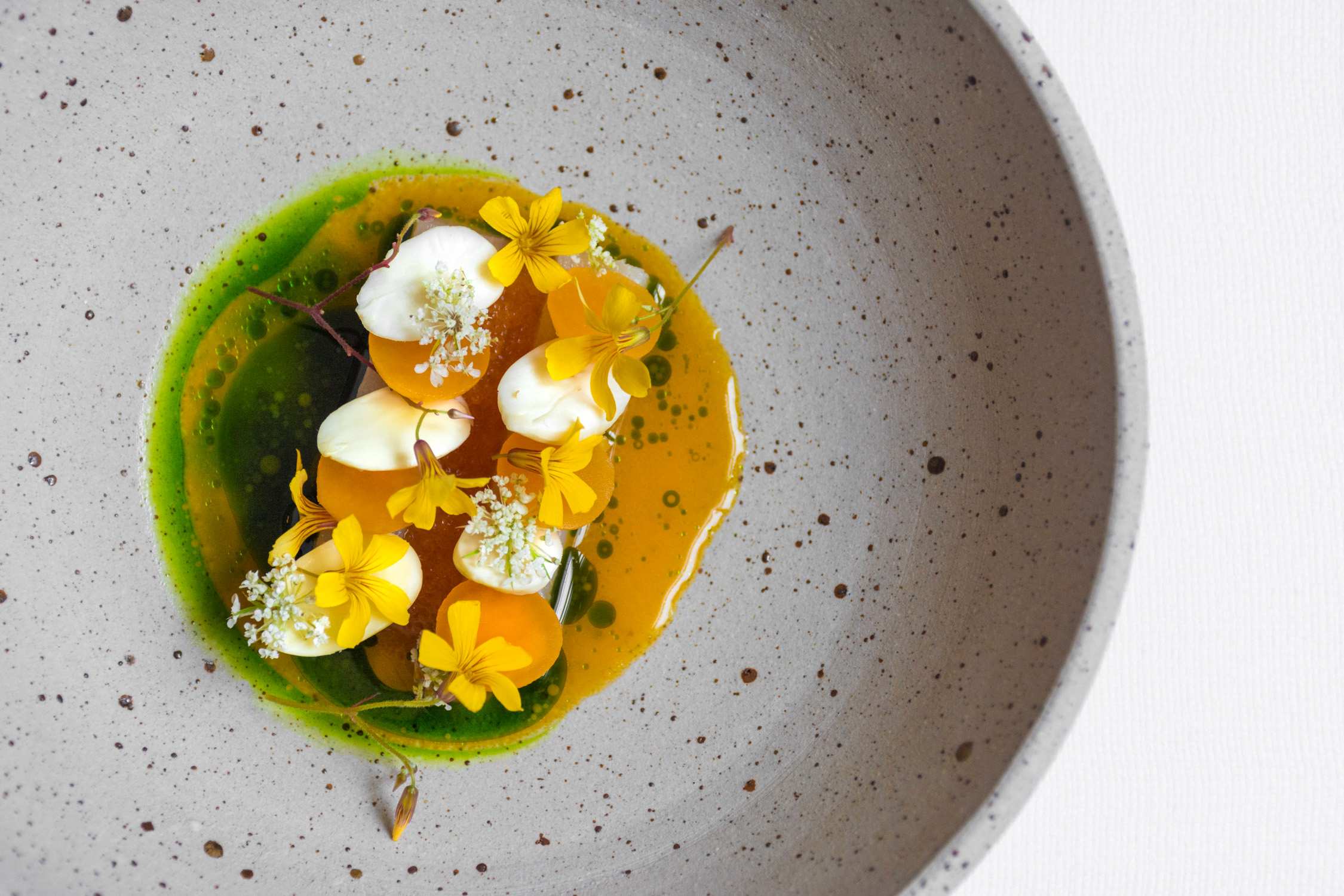
AOC is the first table we’d book. In the cellar of a historic mansion, dinner opens with a pile of hay wrapped in clay on your plate — crack the shell yourself and there’s a two-bite baked potato underneath. Nine courses follow, and if you get too warm they’ll let you cool off in the walk-in freezer with a glass of champagne. Two Michelin stars, and the extras add up: the juice pairing alone was 600kr.
“At AOC time is not important and imagination rules.
Aamanns 1921 is that same instinct pointed at something ordinary. It does smørrebrød — rye bread spread with butter, eaten open-faced under its toppings. Adam Aamann mills the rye and wheat at the restaurant’s own mill, and makes the soap in the bathroom too. Come when you want the Danish classic done properly instead of another four-hour menu; prices are good, nobody dresses up.
WarPigs does Texas barbecue, and it was the best we’d ever had. A joint brewpub from Mikkeller and 3 Floyds, 20 taps refreshed constantly, meat smoked 12 to 14 hours by Andrew Hroza, who used to cook for Van Halen and Slipknot. It’s built for meat eaters and people who care about beer — if you’re neither, skip it.
Our full Copenhagen guide has the rest — including the restaurant with no sign on the door, ten floors up a wooden tower, where the chef pours the bread sauce over your monkfish himself.


Lisbon: one chef, two very different price tags
Lisbon, Portugal’s capital, has starred dining rooms and small family-owned places in the same few streets. The two below belong to the same chef, José Avillez — one at full price, one at bar prices — and eating both is the fastest way to understand what the city is doing.
Belcanto sits behind an unassuming door and serves the Discoveries Menu: fifteen courses walking through Portuguese history from 1415 to the present. You eat an olive that isn’t an olive — it explodes into liquid the moment you close your mouth — and hunt for edible rocks among real ones. Avillez holds two stars here. Dinner was full; lunch is the identical menu and just as unrushed.
Mini Bar, in the busy Chiado district, is the same imagination at 3 to 12 euro a plate instead of Michelin prices — the exploding olive again, plus a Ferrero Rocher that is definitely not a Ferrero Rocher. Take the “Epic” menu the first time and let the kitchen choose. It’s small and every inch of it was full, so it suits two better than six.
Our full Lisbon guide has the rest — including the two-star kitchen down on the Algarve coast that rewrites its menu every single day, which we would leave the city for.


Reykjavik: cooking that could only have happened in Iceland
Icelandic cooking came out of necessity — preservation, a short ingredient list, a climate that made creativity a survival skill. The two restaurants below sit at opposite ends of what Iceland’s capital did with that history: one kept it formal, the other takes it apart. Only the second still serves the meal we describe.
Perlan sits in a glass dome on a hill above the city and was one of Reykjavik’s first fine dining restaurants. My dad ate there around 1998 and told us to go, and in 2015 it was still the place he described: a dining room that revolved, white tablecloths, waiters in suits, a four-course tasting menu of lamb filet and shank with hazelnut and celeriac puree. That was the classic version of Icelandic dining rather than the experimental one — and it is not on offer now. The dome is a nature museum today, with a casual daytime restaurant under the glass and no dinner service, so read this one for the room rather than to book it.
The Fish Company, or Fiskfélagið, pulls regional Icelandic dishes apart and rebuilds them under a glowing moose head. The “Around Iceland” menu ends with spruce sponge cake, sorbet made from skyr — Iceland’s cultured milk — and a dusting they call spruce “snow.” It needs an open mind; the same approach would feel gimmicky in less capable hands.
Our full Reykjavik guide has the rest — including the eight courses cooked over nothing but fire, smoke, logs and coal, and the dinner built into a lava cliff out at the Blue Lagoon.


Stockholm: the hardest tables on this page to get
In Sweden’s capital the hard part isn’t choosing, it’s getting a seat — the two below are small, and one of them releases tables the way festivals release tickets.
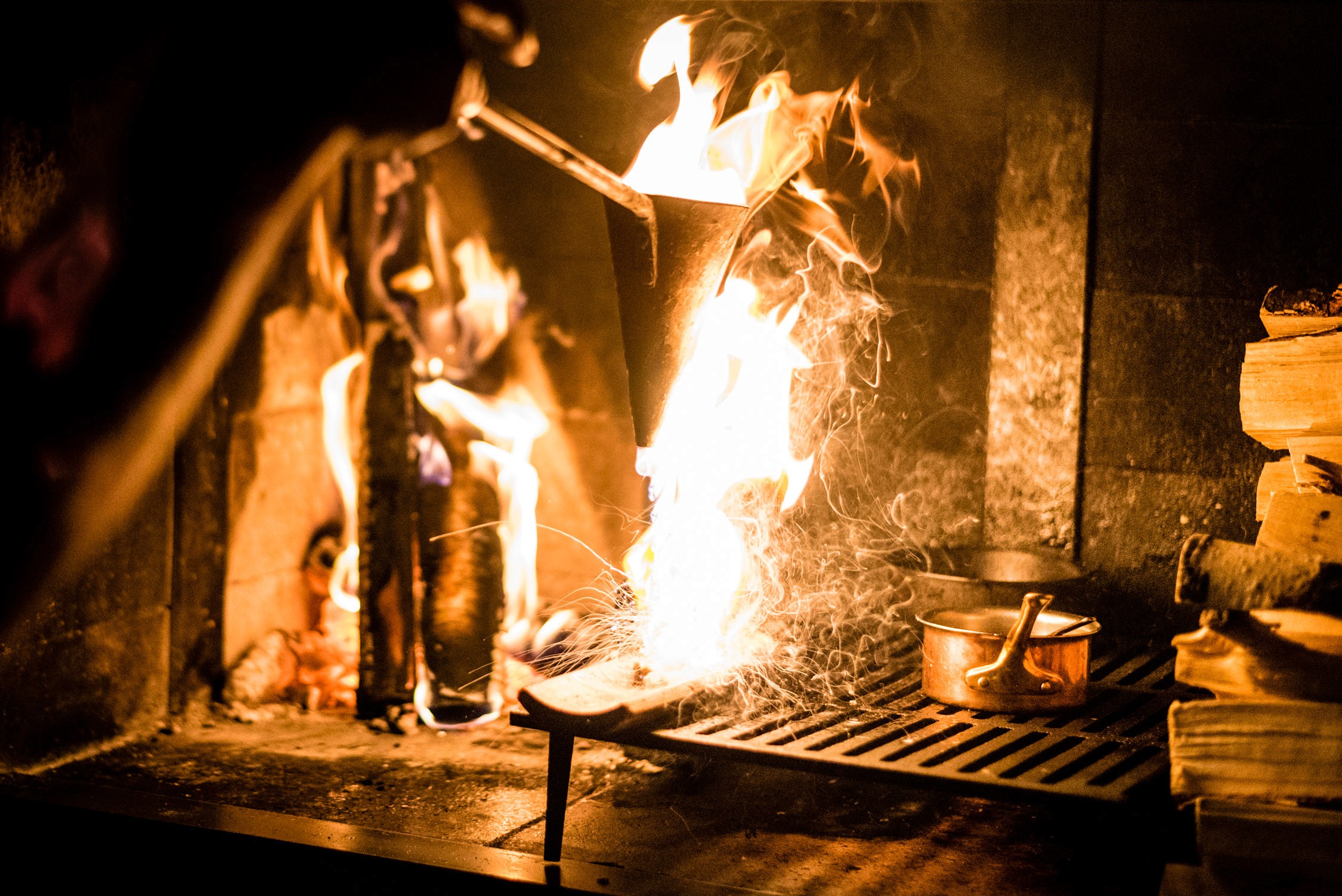
Ekstedt cooks everything over open Scandinavian wood fire and nothing else. Our welcome dish was moose heart with spiced butter, parsley, mushrooms and lingonberries on a taco-like disk, made in front of us. Sit at the long bar and watch them pull bread straight out of the wood stove, though Ekstedt moved to bigger premises in 2023, so check the layout. I was seven months pregnant and had the juice pairing — blackcurrant and pomegranate with birch-fired lamb loin — and I’d order it again by choice. Two warnings: the menu is built around meat, and when we booked, tables went online six weeks ahead at midnight.
“Do the mental equivalent of squinting, and you can almost imagine you are sitting in a cave thousands of years ago dining on food hunted and gathered by your caveman friends.
Shibumi is a sharp take on an izakaya, the Japanese pub where small dishes are shared between drinks. We ate at chef Sayan Isaksson’s original, inside an old run-down theatre that had been part of Stockholm’s punk scene, with his Michelin-starred Esperanto upstairs — that whole group closed in 2018. Shibumi came back in September 2025 at a new address under new owners, same chef and same name, so the corn tempura and the single enormous glazed lamb rib on black slate are what we ate in the first one.


Helsinki: the smallest rooms and the biggest surprises
Most people would struggle to name a Finnish dish, us included before we went. Helsinki folds global fine-dining trends into a minimalist local tradition, and three restaurants changed our minds in one trip — in a winter where stepping outside meant being soaked and covered in snow within seconds.
Olo puts a pot of dough on your table before you’ve eaten anything. You watch it rise through the first three courses, the waiter takes it away to bake, and it comes back as the ninth course with homemade country butter and onion soup — intricate and time-consuming, arriving as a simple, hearty meal. It has a Michelin star and it is a fifteen-course commitment. There’s a “shorter way,” but we’d take the long one.
SPIS has eighteen seats and opens for dinner only, which is exactly why it’s hard to get into. The reservation came with the instruction to “come as you are,” and the plaster is peeling off the walls to expose the brick. Ten to thirteen courses, mostly built around vegetables — my favorite was root celery with apple foam and sunflower seeds. Ours also ran to reindeer tongue with tenderloin, beetroot and red cabbage, worth knowing in advance if game offal is not something you want on the table. They asked what beer we liked and poured an IPA for Chris and sours for me.
Bronda is the casual one: a modern Mediterranean brasserie in a building that housed one of Helsinki’s most popular bakeries in the early 1900s, with a glass-fronted rack for eight hundred bottles over the bar. The chef gets burrata out of Milan within six hours, and was insistent enough about the ribs that we gave in — he was right. It’s a go-to-with-friends restaurant, not the one big meal of the trip.


Amsterdam: lunch inside a 1926 greenhouse
Amsterdam was our base for a while, and the one we would still send you to is the calmest thing we ate there — a restaurant that grows a good part of what it puts in front of you.
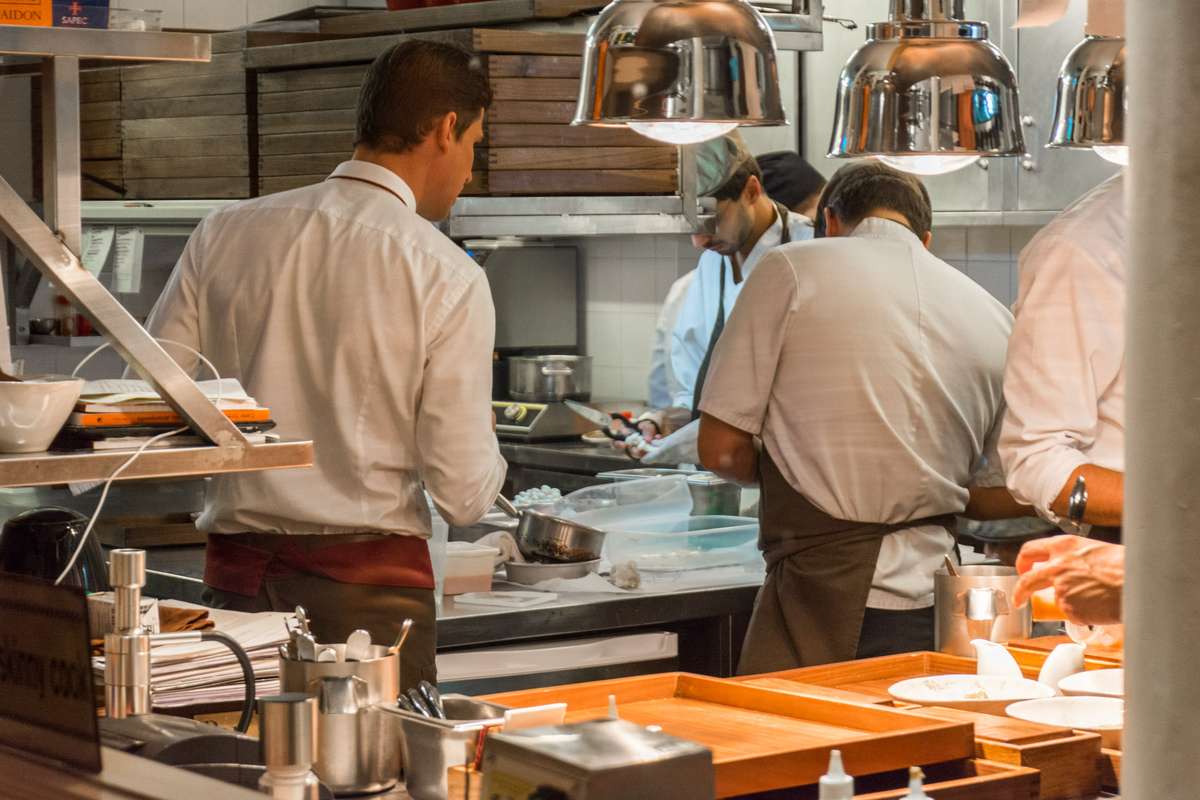
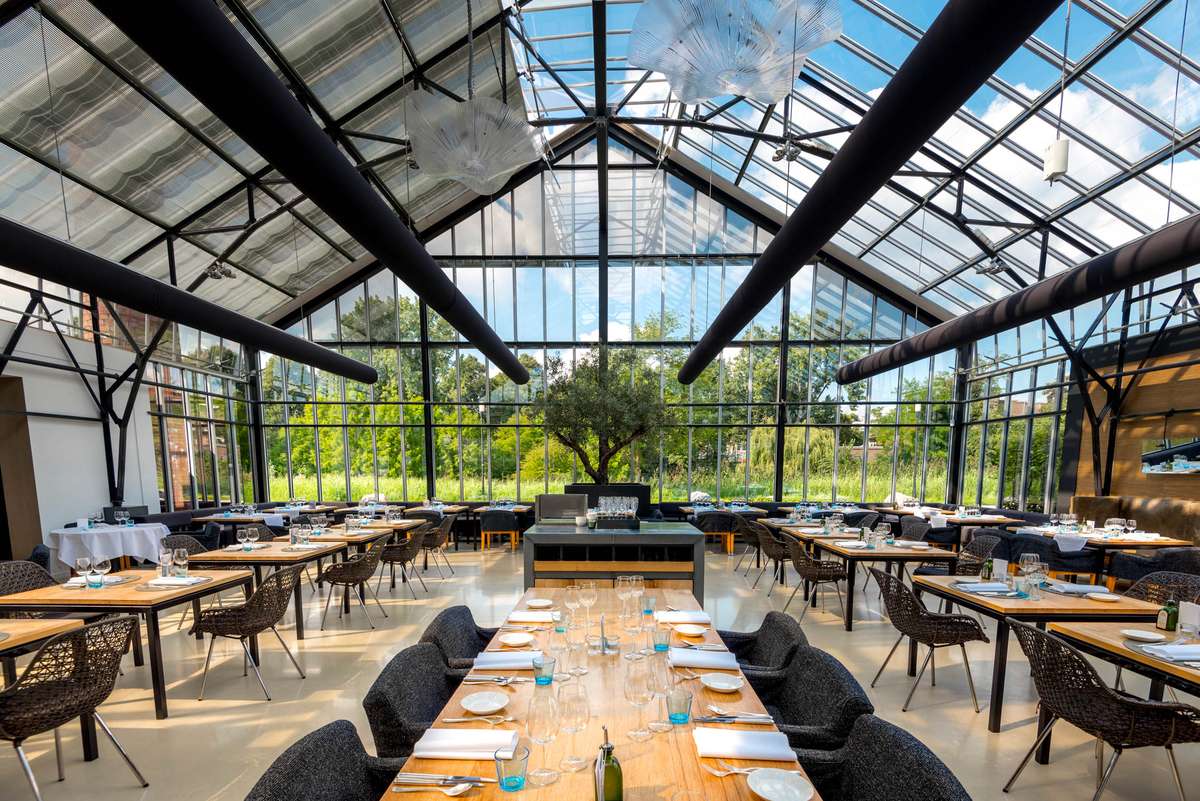
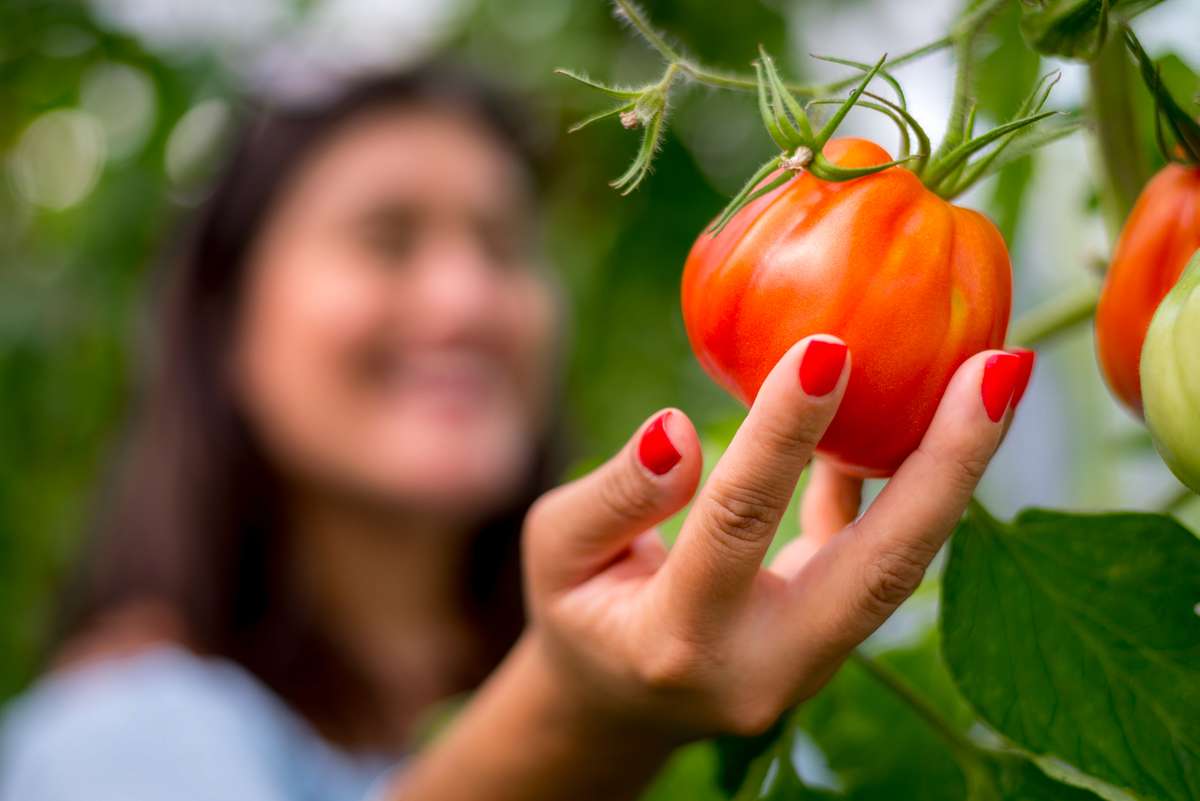
De Kas is that restaurant. You eat inside Amsterdam’s former municipal nursery, a 1926 greenhouse, off a menu rewritten daily from whatever was picked that morning on site or at their farm ten kilometers out. Afterwards you can walk the nursery and see the heirloom tomatoes your lunch came out of. It’s outside the city center, so budget a tram or a taxi — and it will rework the whole menu for vegetarians, which is not a given at this level.



Barcelona: dinner upstairs, cocktails downstairs
We keep going back to Barcelona because new restaurants keep opening and the bars keep getting more inventive. Both picks are in the same building — a three-hour tasting menu, then the elevator down for a drink.
Enoteca is inside the Hotel Arts, right off the shore, and looks less like a serious restaurant than like your best friend’s beach house: white sofas, striped pillows, wine bottles on shelves wrapping the room. Paco Pérez trained at the restaurant El Bulli, and the kitchen has held two Michelin stars under him. Order The Orchard, where even the soil on the plate is edible. The wine pairing is presented as a journey region by region through Spain, which was delicious and, by the end, a little confusing.
P41, a few floors down, is named for Parallel 41 — Barcelona’s latitude — and the drinks are built from ingredients of other cities on that line, listed on the menu as boarding passes. We went down once Axel was asleep upstairs and did Diego Baud’s Liquid Journey, closer to a masterclass than a round of drinks: mushroom-infused tequila, corn salt, coasters pressed from the leftover ginger of his own syrup. He asks what season you like and how you take your coffee, then builds you something — mine was “Home Sweet Corn,” bourbon with brown butter and corn four ways, served with popcorn and corn on the cob. It’s an event with a real time commitment; if you just want one perfect negroni, order off the menu.


How we’d turn this into actual trips
Copenhagen, Stockholm and Helsinki are the Nordic run, and they don’t repeat each other: Copenhagen for the sheer number of good kitchens, Stockholm for fire and produce, Helsinki for the smallest rooms. Lisbon and Barcelona are the other trip. Amsterdam and Reykjavik each stand on their own.
One thing applies everywhere: book the hard ones before anything else. Ekstedt released tables six weeks ahead at midnight when we booked, and has moved to a bigger room since, so check how it does it now; SPIS has eighteen seats. Belcanto was already full for dinner when we tried, so we took lunch instead — same fifteen courses, much easier table.

Find a hotel in any of these
We may earn a commission if you book through these links.